Kitchen tool
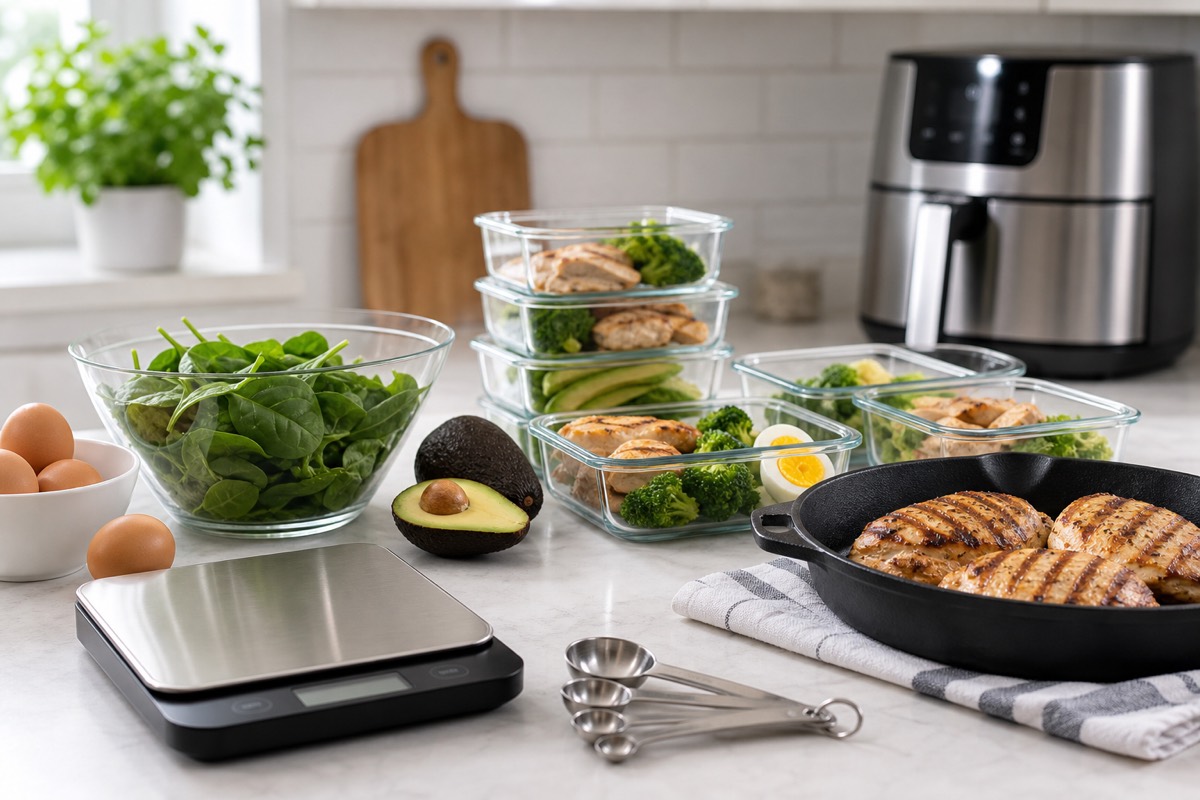
Digital food scale
Useful for measuring nuts, yogurt, cheese, sauces, and other simple foods where a small serving-size difference can matter.
Pick one with grams, ounces, tare, and a flat easy-clean surface.
Simple keto and low-carb meals, restaurant orders, and real-food defaults for staying on track without building your whole plan around ultra-processed keto products.

Use two filters at the same time: keep net carbs low enough for your goal, and choose the least processed option that still works in real life.
Aim for 20g net carbs or less across the whole day, not just at one meal.
Start with eggs, meat, fish, poultry, plain Greek yogurt only when verified, or another simple protein you can portion.
Use non-starchy vegetables, avocado, cheese, olive oil, butter, or simple dressings when they fit your day.
Restaurants, sauces, keto snacks, marinades, and labels can surprise you. Use packaged foods as backups and leave a buffer.
Keto is the carb target. Real food is the quality filter. The best default is the meal that satisfies both most of the time.
Protein, low-carb vegetables, eggs, fish, meat, simple fats, and meals you can understand without a chemistry degree.
Bars, shakes, low-carb tortillas, and keto snacks can be occasional tools, not the base of the plan.
Check total carbs, serving size, sweeteners, starches, oils, and whether the food keeps cravings going.
Five simple rules help you order with confidence, leave room for hidden carbs, and choose less-processed options when the menu allows.
Step-by-step guides for everyday situations, with a stronger bias toward simple meals over keto-branded shortcuts.

Use a simple removal-first ordering strategy, then choose grilled or less-breaded options when real life sends you through a drive-thru.
Open guideUse carb control and food quality together: mostly simple proteins, low-carb plants, and fewer ultra-processed keto products.
Open guideBuild a plate around protein, non-starchy vegetables, sauce control, and simple preparations when available.
Open guide
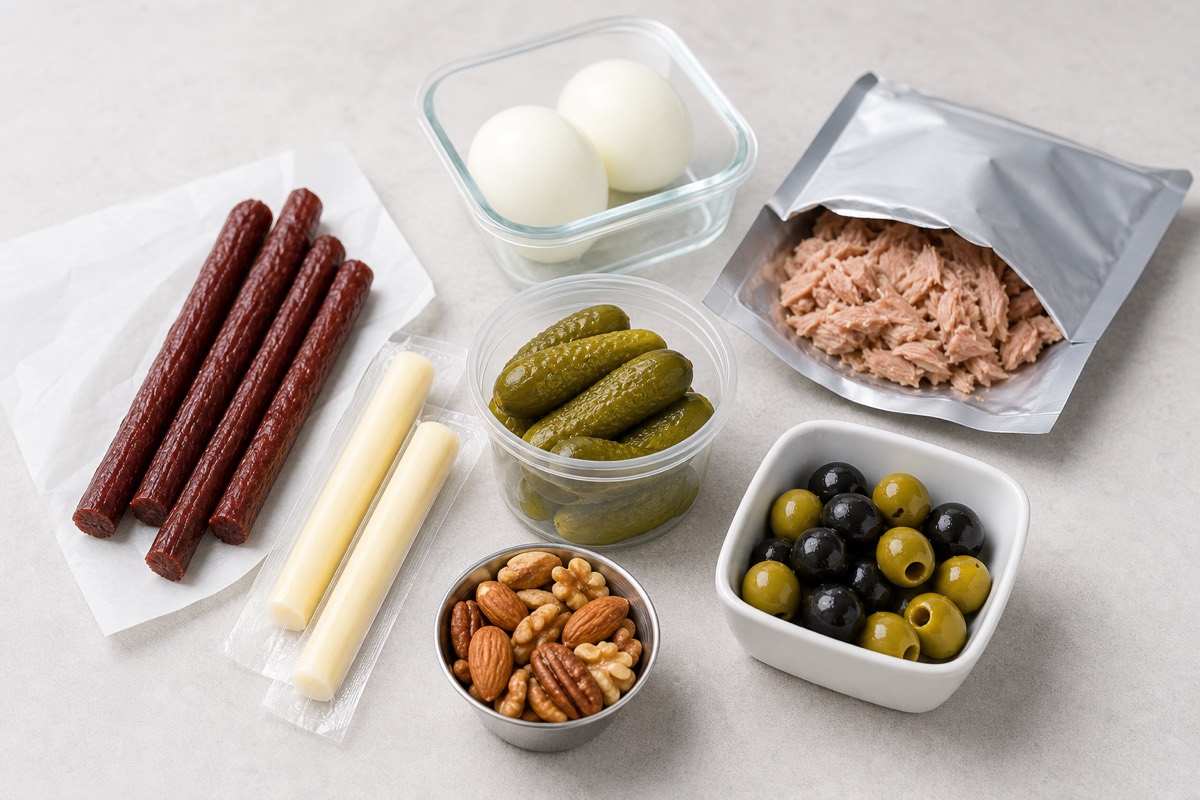
Backup options that are easier to verify and portion when plans fall apart, without pretending packaged food is the goal.
Open guideSimple morning defaults built around eggs, protein, coffee choices, and low-carb add-ins.
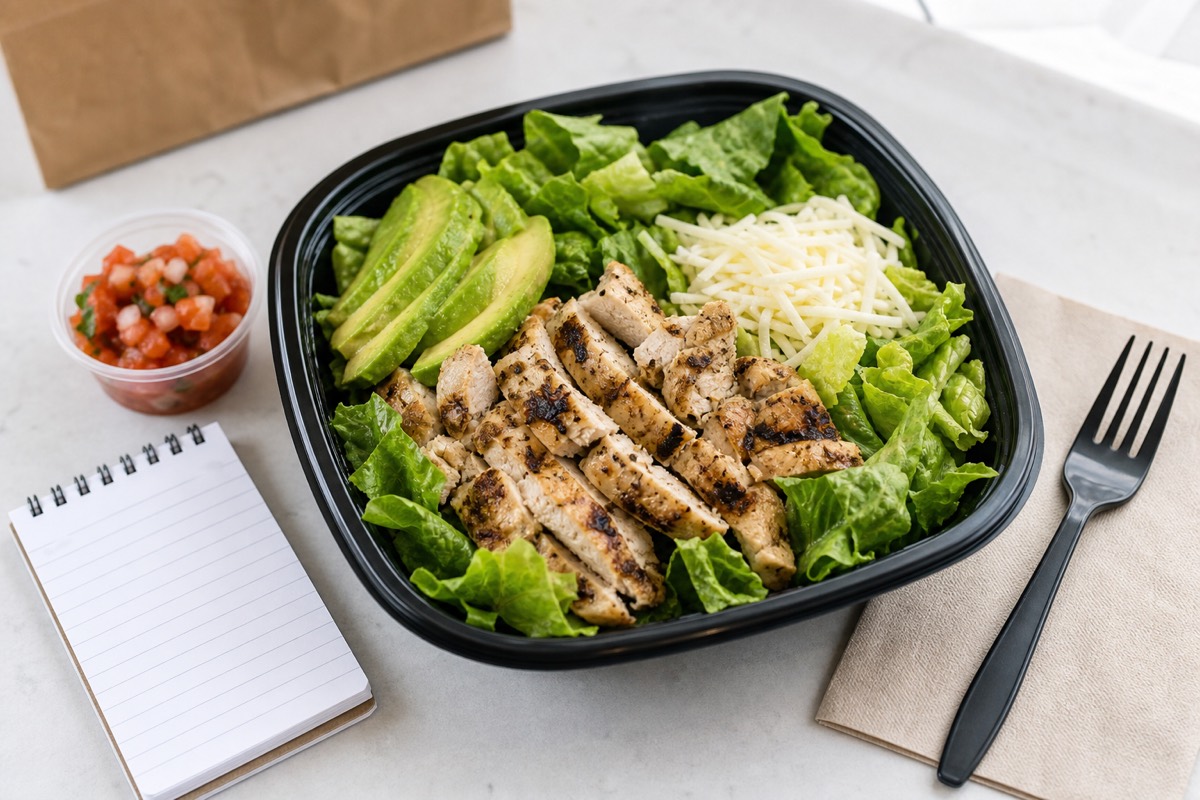
Open guideBowls, rollups, leftovers, and salad formulas that travel better than guesswork.
Open guideRepeatable protein-plus-vegetable meals for nights when you want simple.
Open guideWatch sauces, breading, marinades, drinks, serving sizes, sugar-free labels, and processed-food traps.
Open guideUnderstand why 20g is strict, why some people choose moderate carbs, and where caution matters.
Open guideUseful books and kitchen tools should help you cook, measure, store, and pack simple food. The priority is execution, not buying a pantry full of keto products.
Kitchen tool
Useful for measuring nuts, yogurt, cheese, sauces, and other simple foods where a small serving-size difference can matter.
Pick one with grams, ounces, tare, and a flat easy-clean surface.
Meal prep
Makes it easier to keep cooked protein, eggs, salads, leftovers, and low-carb vegetables ready before hunger makes the decision.
Look for leak-resistant lids and sizes you will actually carry.
Books
Good recipe books can reduce decision fatigue when you want repeatable meals built from recognizable foods.
Use books for cooking ideas, not medical treatment advice or shortcut claims.
Books
Batch-cooking ideas help turn the real-food under-20 system into defaults you can repeat during busy weeks.
Verify recipes against your own carb budget and ingredient labels.

A printable starting point for the system, restaurant rules, carb budgeting method, real-food defaults, backup snacks, hidden carb checklist, and what to do after a higher-carb day.
This site is for general educational purposes only and is not medical advice. People with diabetes, kidney disease, eating disorders, pregnancy, or those taking glucose or blood pressure medication should talk with a qualified healthcare professional before making major carb changes.